
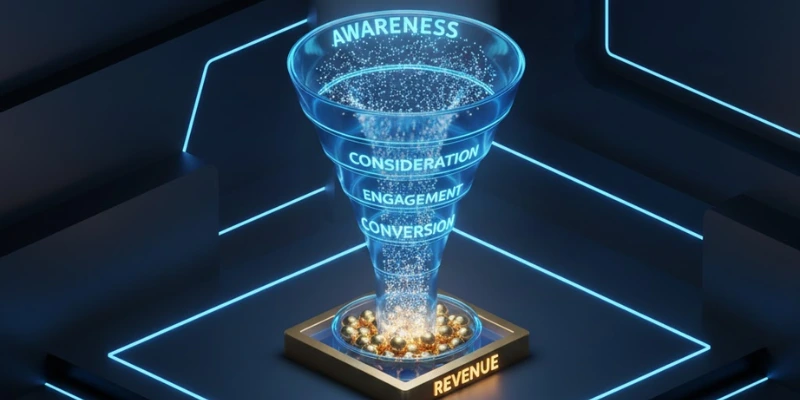
Understanding how customers move from first contact to final purchase is a key skill for anyone entering digital marketing. Many beginners struggle to connect campaigns with real results because they don’t clearly see this journey. When learners start exploring concepts through Digital Marketing Course in Erode, the customer funnel becomes one of the first frameworks that helps them think like marketers and answer practical interview questions with confidence.
Understanding the Customer Journey
The customer funnel represents the step-by-step journey a user takes before becoming a customer. It starts with awareness and ends with action or loyalty. Each stage reflects a different mindset, which means marketing efforts must change accordingly. For learners, understanding this journey helps explain why a single ad rarely converts immediately and why consistent engagement is essential in real-world projects.
Awareness as the Starting Point
At the top of the funnel, customers are just discovering a brand or solution. They may not even know they have a problem yet. Content like blogs, social posts, and videos work best here. Interviewers often test whether candidates understand that awareness is about visibility, not sales. This stage builds the foundation for all future marketing success.
Building Interest Through Engagement
Once awareness is created, the next goal is to build interest. Here, users start exploring more details, comparing options, and seeking value. Marketers use emails, informative landing pages, and visuals to keep users engaged. Learners who also explore creative concepts through Graphic Design Courses in Trichy often understand how visuals and layout play a role in holding user attention during this stage.
Guiding Consideration with Trust
In the consideration stage, customers actively evaluate whether a product or service fits their needs. Reviews, case studies, and clear messaging become important. Marketers focus on trust-building rather than pushing sales. In interviews, candidates are often asked how this stage differs from awareness, making it important to explain how nurturing and reassurance drive progress in the funnel.
Converting Interest into Action
This stage is where conversions happen. Clear calls to action, simple forms, and smooth user experience matter most. Even small issues like slow pages can break the funnel here. Professionals entering the job market through Digital Marketing Course in Trichy are often expected to explain how conversion optimization directly affects business revenue and campaign performance.
Retention Beyond the First Sale
The funnel does not end with conversion. Retention focuses on keeping customers engaged after purchase. Email follow-ups, support content, and loyalty programs help maintain relationships. Many beginners overlook this stage, but interviewers value candidates who understand that repeat customers often generate more value than new ones.
Measuring Funnel Performance
Each stage of the funnel can be measured using specific metrics like impressions, clicks, conversions, and retention rates. These metrics help marketers identify where users drop off. Understanding this analysis shows practical thinking and is commonly discussed in interviews to test how candidates link data with strategy.
The customer funnel helps digital marketers think systematically about user behavior and business goals. By understanding each stage clearly, learners can design better campaigns, explain strategies confidently, and grow into performance-driven roles. Building this mindset early, along with creative and analytical skills gained through Graphic Design Courses in Erode, prepares professionals for future-ready careers in digital marketing.
Also Check: Importance of Digital Marketing