
How to Master Embedded System Design Techniques
Because they power gadgets like smartphones, medical equipment, smart appliances, cars, and industrial machinery, embedded systems are becoming a crucial component of contemporary technology. Businesses in a variety of sectors want experts who can create dependable and effective embedded systems for real-time applications. FITA Academy supports learners in developing embedded system programming, hardware integration, microcontroller handling, debugging, and real-time application development skills effectively. Students and professionals can develop strong technical abilities in programming, hardware integration, and automation by learning embedded system design approaches. Gaining expertise in embedded systems may lead to great job prospects in the engineering, robotics, and electronics sectors throughout the globe, given the explosive expansion of IoT and smart technologies.
Understanding Embedded Systems
Embedded systems concentrate on specific tasks with great efficiency and minimal power consumption, in contrast to general-purpose computers. Fitness trackers, car control units, washing machines, and traffic control systems are a few examples. These systems frequently run in real time and demand precise performance with constrained resources. Developers may create quicker, smarter, and more dependable solutions for contemporary industrial and consumer applications by having a better understanding of how embedded systems operate.
Key Components of Embedded Systems
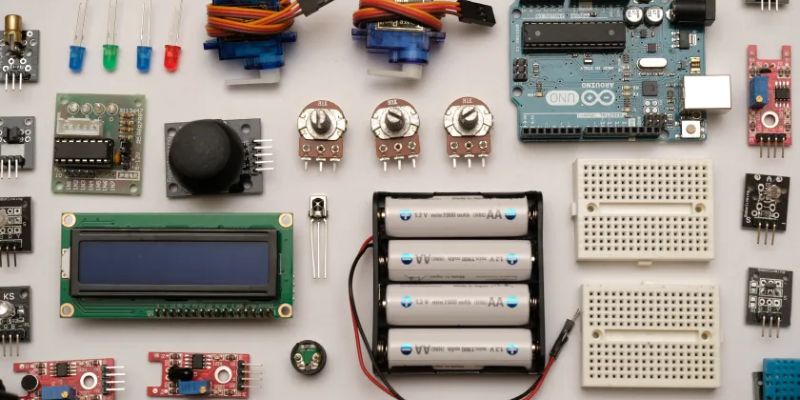
Designing an embedded system requires a number of crucial elements that cooperate effectively. By processing commands and managing operations, microcontrollers and microprocessors serve as the system’s brain. While actuators carry out physical movements in response to system orders, sensors gather information from the surrounding environment. Program instructions and temporary data needed for processing are stored in memory units. The gadget operates steadily thanks to power supply modules. Embedded System Courses in Chennai offering practical, industry-focused guidance in microcontroller programming, hardware integration, real-time systems, and embedded application development. In embedded applications and networked systems, communication interfaces such as UART, SPI, and I2C provide the seamless transmission of data between various hardware components.
Programming Languages and Tools
Because software regulates the behavior of the hardware, programming is essential to the creation of embedded systems. Because they provide superior hardware control and memory management, languages like C and C++ are widely utilized. Python is also used by developers for automation and testing in some applications. Coding, debugging, and compilation activities are made easier by integrated development environments like as Keil, MPLAB, and the Arduino IDE. Before implementing hardware, engineers may evaluate embedded systems with the use of simulation tools. Acquiring knowledge of these technologies enhances coding productivity and aids developers in producing dependable and efficient embedded programs.
Designing Embedded Systems Step by Step
Determining the application requirements and having a comprehensive knowledge of the system objectives are the first steps in designing an embedded system. Based on the requirements of the project, engineers then choose appropriate hardware components including CPUs, sensors, and communication modules. Writing software to manage system functions and combining hardware with software are the next steps. Because they aid with mistake detection and performance enhancement, testing and debugging are essential phases. B School in Chennai boosts employability by improving embedded system programming, hardware integration, microcontroller handling, and real-time application development skills. Prototypes are frequently made by developers to assess system functionality prior to final manufacturing. Improved embedded system performance, dependability, and long-term maintenance are guaranteed by a structured design approach.
Importance of Real-Time Operating Systems
Embedded systems that need to react to events instantly frequently employ Real-Time Operating Systems, or RTOS. By appropriately distributing processor time and resources, RTOS aids in task management. RTOS is used in sectors including healthcare, automotive, and aerospace where delays can lead to system failures. RTOS is used by embedded developers to enhance real-time performance, scheduling, and multitasking. FreeRTOS, VxWorks, and QNX are well-known RTOS systems. Developers may create dependable, effective, and responsive embedded programs for challenging situations by understanding how RTOS functions.
Common Challenges in Embedded Design
Memory constraints, battery consumption, hardware compatibility, and real-time performance are issues that embedded system engineers frequently deal with. During development, troubleshooting hardware and software integration issues can sometimes become challenging. Reliability is crucial because certain applications need systems to run constantly and without interruption. Developers can create effective systems with increased stability and performance by comprehending basic design issues.
Improving Performance and Efficiency
Enhancing embedded systems increases system dependability, speed, and power efficiency. By minimizing pointless code execution and effectively managing memory, developers may increase speed. Sleep modes and adjusted clock settings are examples of power management strategies that extend the battery life of portable electronics. These are the components of embedded systems you need to know. Effective communication protocols enhance system responsiveness and cut down on delays.
Integrating Embedded Systems with Modern Technologies
These days, embedded systems are frequently combined with robots, cloud computing, IoT, and artificial intelligence. Embedded technology is essential for intelligent operations in wearable technology, industrial automation systems, and smart home appliances. IoT-enabled embedded systems use internet connectivity to gather and share data for improved automation and monitoring. Through real-time data processing, artificial intelligence enables gadgets to make decisions and enhance performance. Developers may keep current with industry trends and create cutting-edge solutions for future markets by learning how embedded systems interface with contemporary technology.
What is Next?
Strong technical knowledge, real-world experience, and ongoing education are necessary to master embedded system design methodologies. Developers may produce dependable and effective embedded programs by having a solid understanding of hardware components, programming languages, RTOS ideas, and system optimization. Practical experience and real-world tasks enhance technical confidence and problem-solving abilities. Those who become proficient in embedded system design can improve contemporary electronic technology and have prosperous professions.