
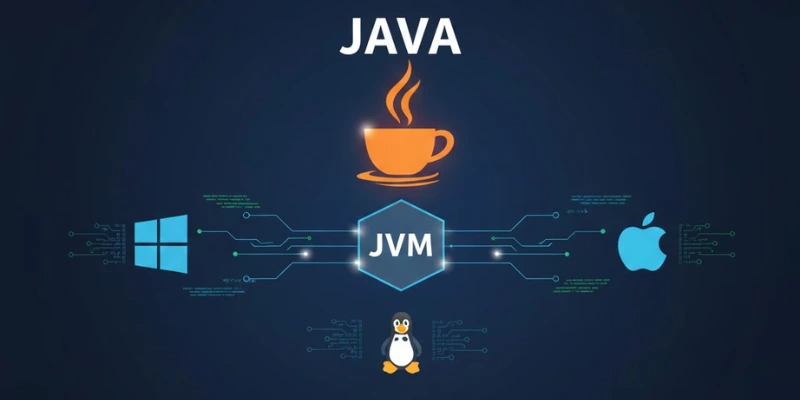
Many learners wonder how one programming language can run smoothly on Windows, Linux, and macOS without rewriting code. This confusion is common among beginners planning a long-term software career. Java solves this challenge with its unique platform-independent approach. For those building strong foundations through Java Course in Trichy, understanding how Java works across operating systems is a key concept often discussed in interviews and real-world development scenarios.
The idea behind platform independence
Java was designed with a clear goal: write code once and run it anywhere. Unlike some languages that depend heavily on the operating system, Java separates the program from the underlying system. This design allows developers to focus on logic rather than platform-specific issues. Employers value this feature because it reduces development time and maintenance effort across different environments.
Role of Java source code and compilation
When a developer writes Java code, it is saved as a source file. This source code is not directly executed by the operating system. Instead, it is first compiled into an intermediate form called bytecode. This bytecode plays a critical role in Java’s ability to run on multiple operating systems without modification.
Java’s ability to work on different operating systems makes it valuable in global software projects. Companies prefer developers who understand this portability concept clearly. Learners preparing for roles through Java Course in Erode often focus on explaining JVM and bytecode flow, as these topics are commonly tested in technical interviews and practical assessments.
Understanding bytecode execution
Bytecode is a universal format understood by Java’s runtime environment. It does not depend on Windows, Linux, or macOS. This means the same compiled file can be transferred across systems. During interviews, candidates are often asked to explain bytecode because it demonstrates clear understanding of Java’s internal working and platform-neutral design.
The importance of the Java Virtual Machine
The Java Virtual Machine, or JVM, is the core reason Java works across different operating systems. Each operating system has its own JVM implementation. The JVM translates bytecode into machine-specific instructions. As long as the system has a compatible JVM installed, Java programs can run smoothly, regardless of the operating system.
Interaction with operating system resources
While Java is platform-independent, it still interacts with system resources like memory, files, and networks. The JVM acts as a bridge between the Java program and the operating system. This controlled interaction ensures security and stability. Learners combining Java concepts with logical thinking gained through Python Course in Trichy often find it easier to understand how abstraction works across platforms.
Why Java behaves consistently everywhere
Java’s standard libraries play an important role in maintaining consistent behavior. These libraries handle system-level differences internally. As a result, developers write the same code for file handling or networking without worrying about OS-specific commands. This consistency is one reason Java remains popular in enterprise and cross-platform applications.
Career relevance of Java’s portability
Java’s platform independence is not just a technical feature but a major career advantage. It allows developers to work on diverse systems without rewriting applications. As software environments continue to evolve, understanding how Java adapts across platforms builds confidence and long-term relevance. Strengthening programming fundamentals alongside Python Course in Erode helps learners become flexible, future-ready professionals in today’s competitive tech landscape.
Also Check: Python: Features And Applications